Log In


 Log into Online Banking
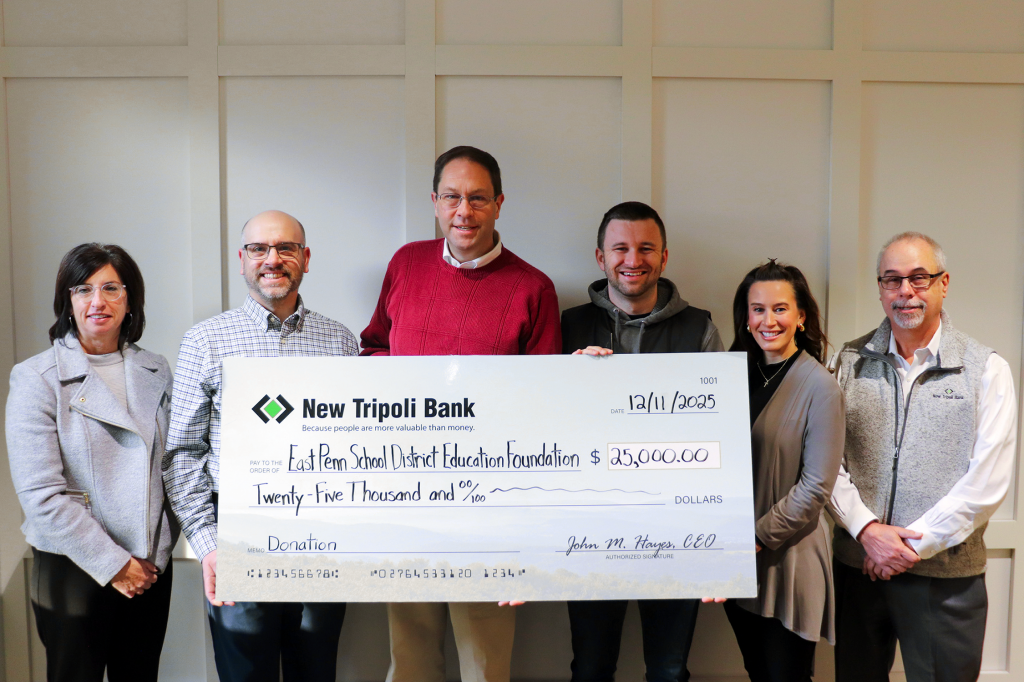
New Tripoli Bank has donated $25,000 to the East Penn School District Education Foundation to support approved educational needs in the District. These funds, which were supported by the Pennsylvania Educational Improvement Tax Credit program, will help the Foundation award grants for science, technology, engineering, arts, and math programs at schools throughout the East Penn School District.
A check for $25,000 was presented by John M. Hayes, New Tripoli Bank President and CEO, to members of the Education Foundation at New Tripoli Bank’s Buckeye Office. He presented the check to John Hemak, EPSD Education Foundation Treasurer and New Tripoli Bank VP and Commercial Lender, Kristen Campbell, Ed.D., EPSD Superintendent, Dr. Joshua Levinson, EPSD School Board Member, Jacob Reynolds, EPSD Education Foundation Director, and Dayne Buttafuoco, EPSD Director of Community Relations.
New Tripoli Bank is proud to have funded the EPSD Education Foundation for many years, as part of its continuing mission to support the community. This donation will be used to support EITC-approved programs that might not otherwise receive the necessary resources, furthering the Foundation’s mission to support STEAM education.
As a 115-year old business, history means a lot to New Tripoli Bank. We thought we should celebrate the history of our community by sitting down to interview members of our local historical societies and gather their perspective on history and its importance.
Their answers were varied, informative, and entertaining. We share them now with you as we prepare to celebrate the history of our nation on Thanksgiving. Hopefully this video conveys the importance of the work they do to preserve our history and celebrate it with future generations.

Many thanks to our participants!
- Albany Township Historical Society https://www.albanyths.org
- Emmaus Historical Society https://www.emmaushistoricalsociety.org
- Hivel Und Dahl Preservation Society https://www.hivelunddahl.org
- Lower Macungie Township Historical Society https://www.lmthistory.org
- Lynn-Heidelberg Historical Society https://www.lynnheidelberg.org
- Upper Milford Historical Society https://www.uppermilford.org
- Weisenberg/Lowhill Township Historical Society https://www.weisenberglowhill.org
Music used:
- "Country Blues Rock Ballad (Whiskey Moonlight)" Vlad Annenkov
- "Patriotic Medley March No. 2" Victor Military Band, Library of Congress National Jukebox
- "Ballin' the Jack" Victor Military Band, Library of Congress National Jukebox
- "Down Home Blues" Pennsylvanians, Library of Congress National Jukebox
- "A Day to Remember" Benjamin Tissot Bensound.com License code: Y8AQ5KRXWUUSFX5S
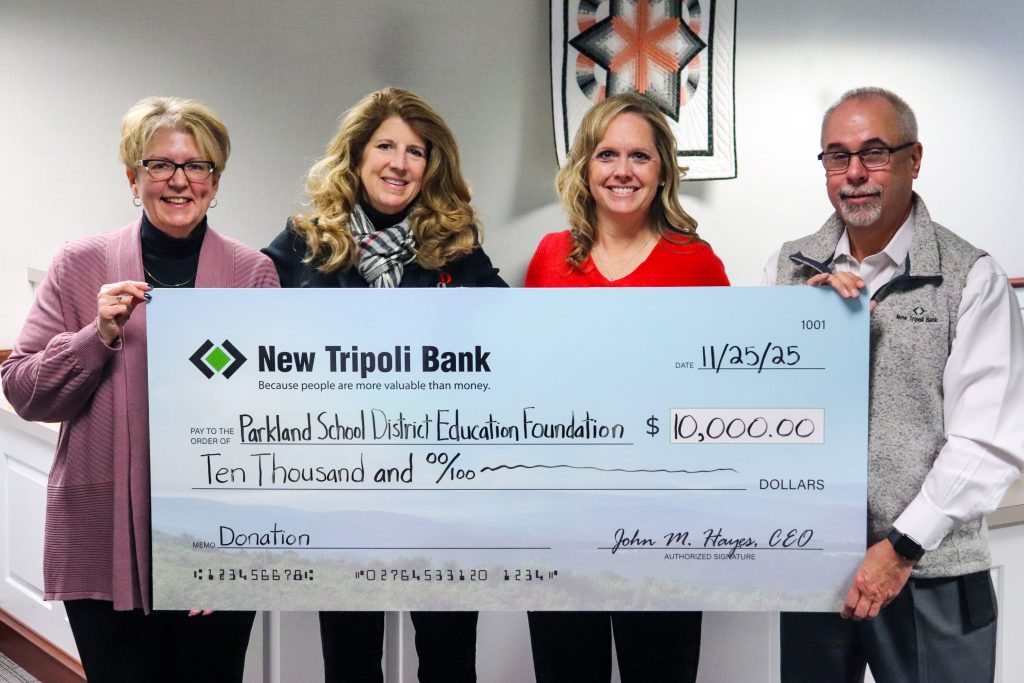
New Tripoli Bank has donated $10,000 to the Parkland School District Education Foundation to support approved educational needs in the District. These funds, which were supported by the Pennsylvania Educational Improvement Tax Credit program, will help the Foundation enhance educational opportunities for students across the Parkland School District through innovative programs, classroom resources, and unique learning experiences.
“Given the increased pressure on school districts and educators this year, it’s more important than ever to lend our support to important community organizations like the Foundation,” remarked John M. Hayes, New Tripoli Bank President and CEO. He presented the check for $10,000 alongside Michele M. Hunsicker, New Tripoli Bank Executive Vice President and Chief Financial Officer, to Lisa Ervin, Foundation Executive Director, and Christina Tori Morgan, Foundation President.
New Tripoli Bank is proud to have funded the Parkland School District Education Foundation for many years, as part of its continuing mission to support the community. This donation will be used to support programs that might not otherwise receive the necessary resources, allowing Parkland School District to allocate its funds in a way that leads to the best learning outcomes for its students.
by Tanya Hausman
I often spend time thinking about the best ways to prepare my children for the responsibilities of adulthood. Whether it’s teaching them the importance of proper hygiene, helping them learn how to manage their time between homework and social time, or encouraging healthy eating habits, I understand how vital it is that I be involved in their development.
One of the worries that I have personally experienced as a parent comes from my children having a debit card. Parents or guardians who have experienced a child begging for a brand-new iPhone or asking for money to go out with friends want that child to learn how to save money and spend it responsibly. Debit cards come with potential security risks on top of requiring some level of financial literacy.
Here are some tips to consider before letting your child have their own debit card.
Set Clear Rules
Before handing over the debit card, establish concrete guidelines for its usage. Discuss spending limits and clarify when and where you are comfortable with the card being used. Emphasize the importance of your child regularly checking their account balance before making a purchase.
Setting these rules in place at the start ensures less confusion later on.
Open a Linked Account
The best way to keep an eye on their spending habits is to link their checking account to your online bank account. This allows you to set spending limits and ATM access for children who are just starting to handle their own money, which gives them the freedom to use their debit card while putting restrictions in place.
Consider linking their account to your personal online banking account as it will also allow you to set up transfers between your other accounts and your theirs, making it easy to move money they earn from chores, allowance, etc. If they have a job, you can help them set up direct deposit into their account.
New Tripoli Bank customers can bring their children to any of our branches, and we’ll help to set all of this up!
Monitor Their Activity
Teaching children financial literacy and proper debit card use is a commitment towards long-term success. Once they have their own debit card, you’ll likely want to keep an eye on how they’re spending money. If you see them spending every dollar as soon as they get it, sit down with them and explain the importance of saving money for long-term goals, emergencies or just items that are important to them.
New Tripoli Bank’s online banking platform can help in this regard. You can add your child’s debit card to your account’s Card Secure and set up push or email notifications, so you are alerted whenever your child uses their card. Among other features, it also allows you to set restrictions on the card or deactivate it.
Teach Good Money Habits
It’s not enough to give your child the keys to their own finances; you need to show them how responsible adults budget their money. Most of a child’s learning comes from imitating those in their “money circle,” so it’s important to teach good habits.
Plan your monthly budget together. It’s important for children of all ages to learn concepts like income, expenses, and saving. If you’re currently saving up for a long-term goal, take the time to explain the budget process. Talk about how much you set aside each month, how you decided on that number, where you cut your other spending to save, and emphasize the importance of saving for the future.
Emphasize Security
A big part of using a debit card is making sure your personal and bank account information is secure. It’s critical they choose a strong, unique PIN for their debit card and go over emergency protocols in the event that the card is ever lost or stolen.
Customers at New Tripoli Bank can use the Card Secure feature on our online banking platform to monitor card activity. Take the time to go over their monthly bank statement together and explain how they can proactively identify potentially fraudulent transactions on their account in a timely manner.
Teach them the importance of online safety, whether it’s only buying from secure websites (look for “https” in the URL and a padlock symbol), avoiding entering personal information while on public Wi-Fi, or being able to identify scam ads and fraudulent offers on open marketplaces such as Facebook Marketplace.
Learning Through Experience
Mistakes on their journey to adulthood are likely. Use these mistakes as teachable moments instead. For example: if they overspend, spend some time talking about how it’s important to keep track of their account balances and avoiding impulse purchases.
As they become more comfortable using their debit card and show responsible habits, consider gradually loosening the controls you have on their card. This helps build trust between both of you and at the same time encourages them to continue practicing smart spending habits independent of your monitoring.
 Tanya Hausman is a Senior Deposit Operations Specialist at New Tripoli Bank. She has been working for the Bank since 2014 in various roles. Outside of work, she spends her time baking, hobbying, and raising her two children.
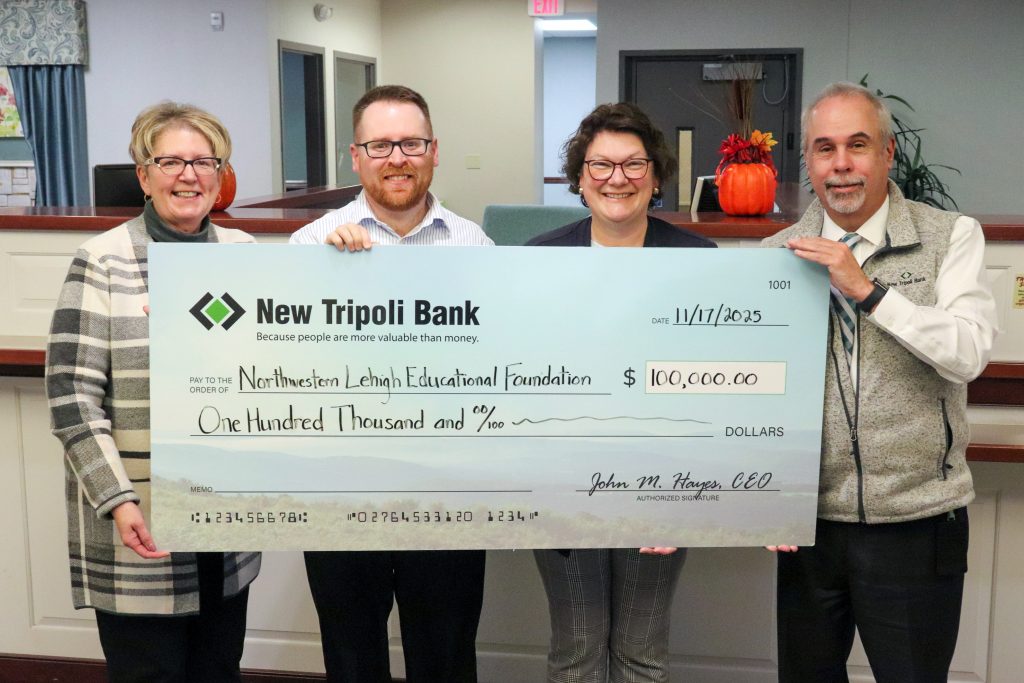
New Tripoli Bank has donated $100,000 to the Northwestern Lehigh Educational Foundation in order to support approved educational needs in the Northwestern Lehigh School District. These funds, which were supported by the Pennsylvania Educational Improvement Tax Credit program, will help the Foundation award grants for science, technology, engineering, arts, and math programs at schools throughout the Northwestern Lehigh School District. The Bank has been a proud supporter of NWLEF for over a decade, helping to fund modern teaching tools and classroom enhancements that empower Northwestern Lehigh students.
Regarding the donation, John M. Hayes, President and CEO of New Tripoli Bank, commented: “Our continued support is a testament to the lasting impact the Foundation has made on the outstanding learning outcomes of students at Northwestern Lehigh schools.” Hayes presented the check alongside Michele Hunsicker, Executive Vice President and Chief Financial Officer, to Matthew Koncz, NWLEF Treasurer and Board Member and Controller for New Tripoli Bank, and Amy Kinnon, NWLEF Development Director.
This donation will be used to support programs that might not otherwise receive funding, giving students in the Northwestern Lehigh School District the tools and skills they need to prepare for a career in a rapidly advancing world. New Tripoli Bank is a proud supporter of education, and this donation will ensure that our local school district remains at the forefront of technology enhancements that help prepare students for jobs upon graduation.
Due to the overwhelming response we received to last year's food drive, we are launching our Fall Harvest Food Drive early this year!
We want to make sure families in need in our area get the support they need this holiday season. Please bring your non-expired, non-perishable food items to any New Tripoli Bank branch by Saturday, November 29. We will be distributing your donations to:
- Bethel Bible Fellowship Church Groceries PLUS Food Bank: https://bethelbfc.org/outreach-ministries-1
- Christ's Church at Lowhill UCC Food Pantry: https://www.lowhillfoodpantry.com/
- Northern Lehigh Food Bank: https://mentalhealth.networkofcare.org/lehigh-pa/services/agency?pid=northernlehighfoodbank_2_794_0
- Parkland CARES Food Pantry: https://parklandcaresfp.org/
- Old Zionsville United Church of Christ Food Pantry: https://oldzionsucc.org/?page_id=136
We are accepting all donations, but the food pantries are especially looking for:
- Baked beans
- Canned beans
- Canned chicken
- Canned corn
- Canned fruit
- Canned green beans
- Canned peaches
- Canned pears
- Canned peas
- Canned Soup
- Canned vegetables
- Cereal†
- Chicken noodle soup
- Crackers
- Dry pasta
- Granola bars
- Jelly*
- Ketchup*
- Pancake mix† & syrup
- Peanut butter*
- Spaghetti sauce*
*Please only plastic jars/bottles, we cannot accept glass.
† Boxes preferred.
Effective immediately, we are unable to accept loose or wrapped pennies due to the Federal Reserve Bank restricting the supply of pennies.
The U.S. Department of the Treasury has officially ended production of the penny, which means New Tripoli Bank can no longer order pennies from or ship pennies to the Federal Reserve. We understand that this change will impact all of our customers and wanted to provide information on this shift in our monetary system.
Here are the main ways this change will impact our customers:
- We may not be able to do change orders that include pennies.
- You may be required to deposit your check if the change back to you would require pennies. You can then withdraw the cash that you need.
- For non-customers cashing a check drawn on New Tripoli Bank, you may be required to open an account if the change back to you would require pennies (exceptions may apply).
- Retailers and businesses may begin rounding cash transactions to the nearest nickel as pennies become unavailable.
Why is penny production ending?
The decision stems from the rising costs to produce new pennies. The current cost of the materials to create a new penny is almost four times the value of the currency, which in turn costs the government money each year.
Even though pennies are no longer being produced, existing ones are still legal tender. Here are some smart ways to transition away from using pennies:
- When paying cash at retailers, expect totals to be rounded to the nearest five cents.
- Consider switching to using digital payments or your debit card, which remain unaffected by the change.
- Sign up for direct deposit for paychecks and government benefit payments.
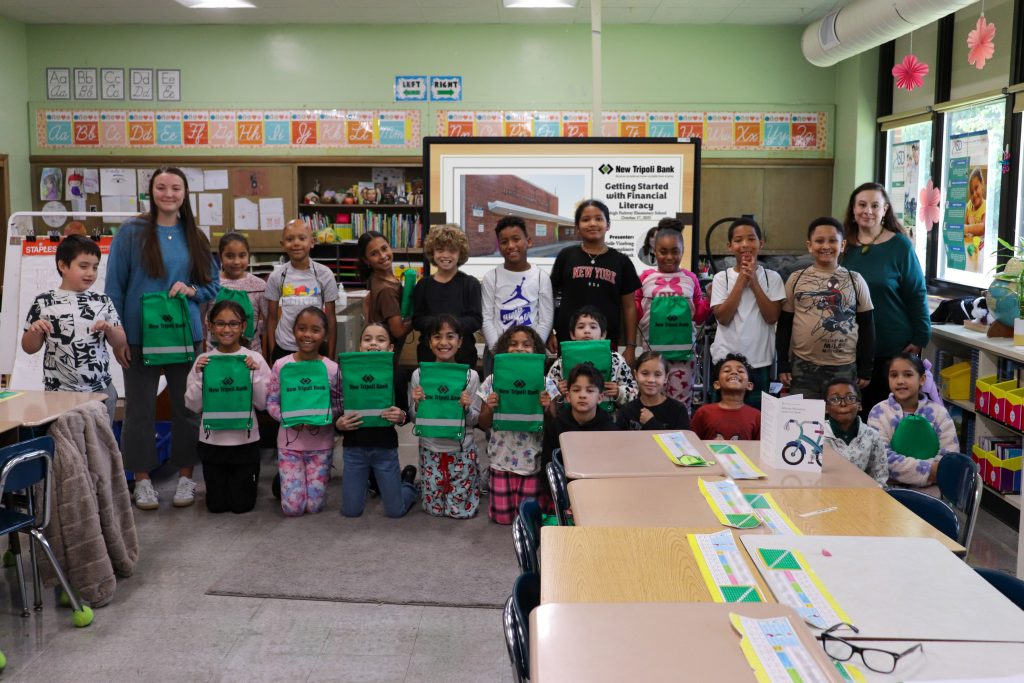
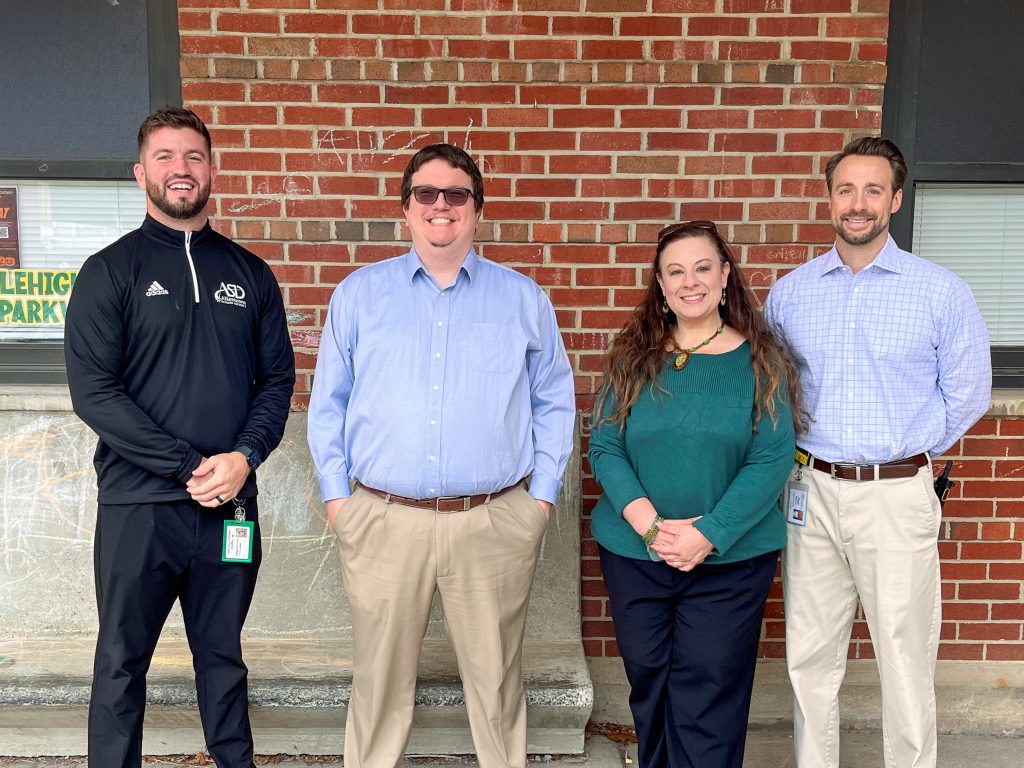
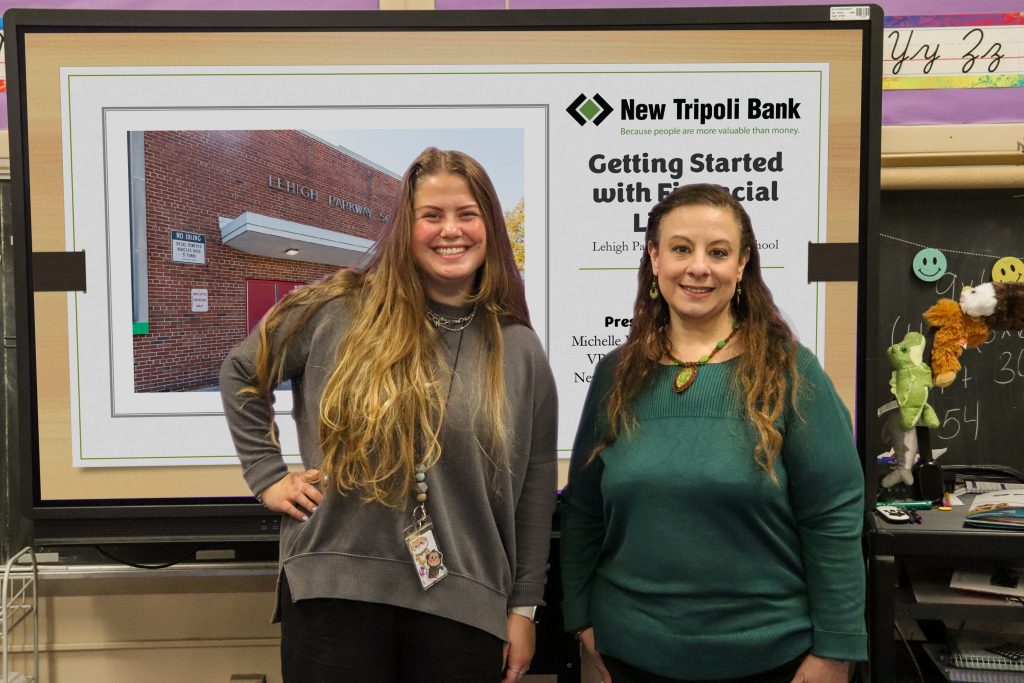
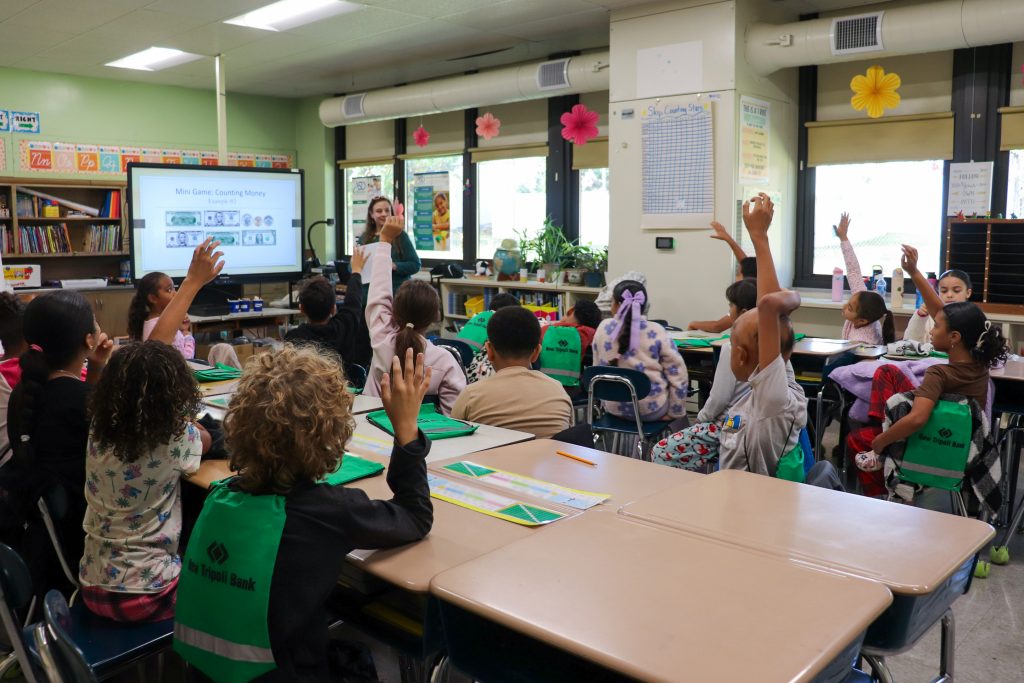
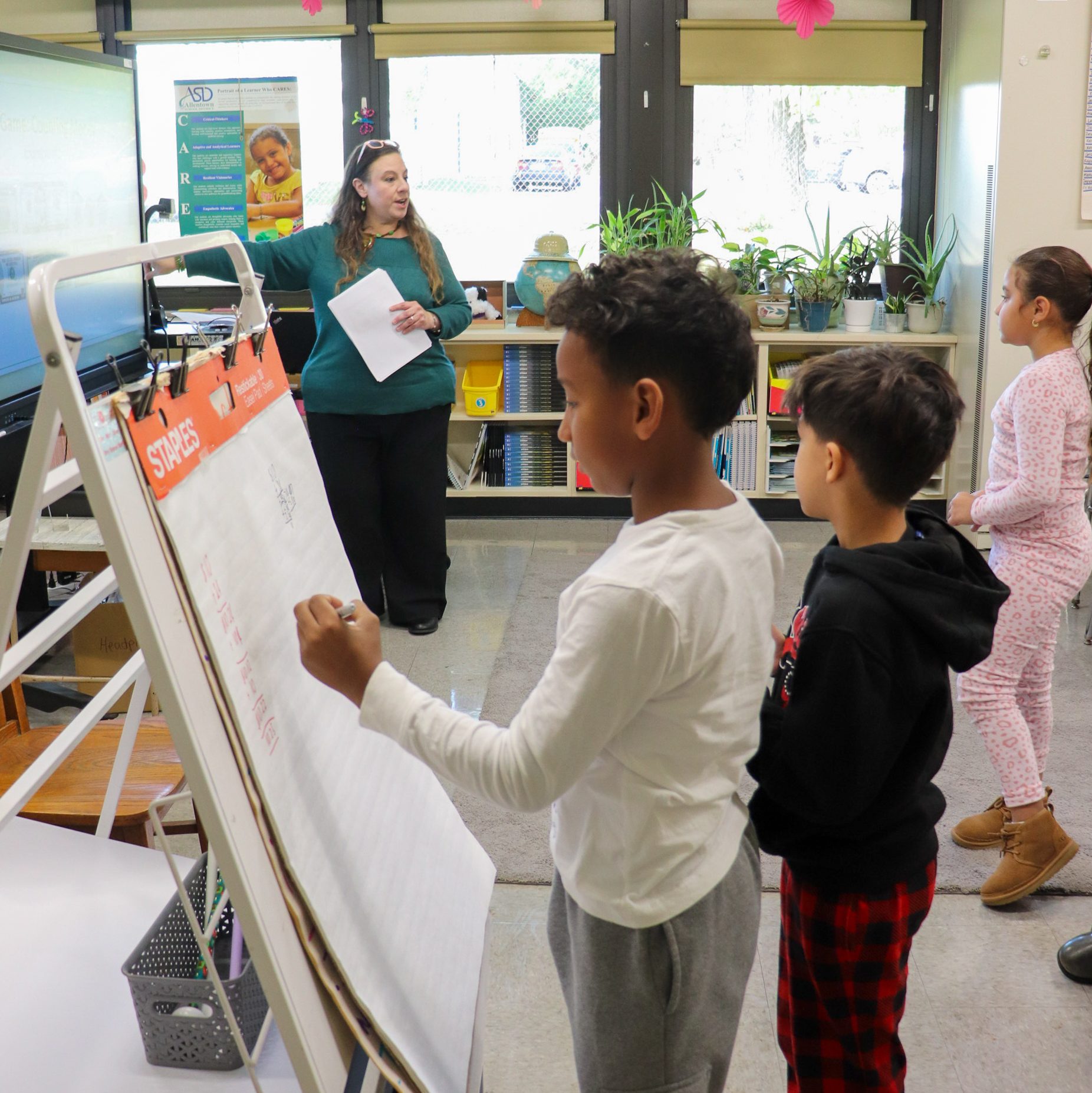
School's back in session! On Friday, October 17th, Michelle Vineburg, Compliance Officer, and David Malafarina, Social Media Marketing Specialist, returned to Lehigh Parkway Elementary School in Allentown to teach 3rd graders about banking, budgeting, and saving money. They handed out bags filled with activity books and bank-related posters and invited students to participate in mini games.
Many thanks to Brittney Dunleavy, 3rd Grade Teacher, Connor Hughes, Principal, Mary Powell, 3rd Grade Teacher, Paul Spence, Assistant Principal, and all the students in both 3rd grade classes who were excited to learn and participate in the presentations.
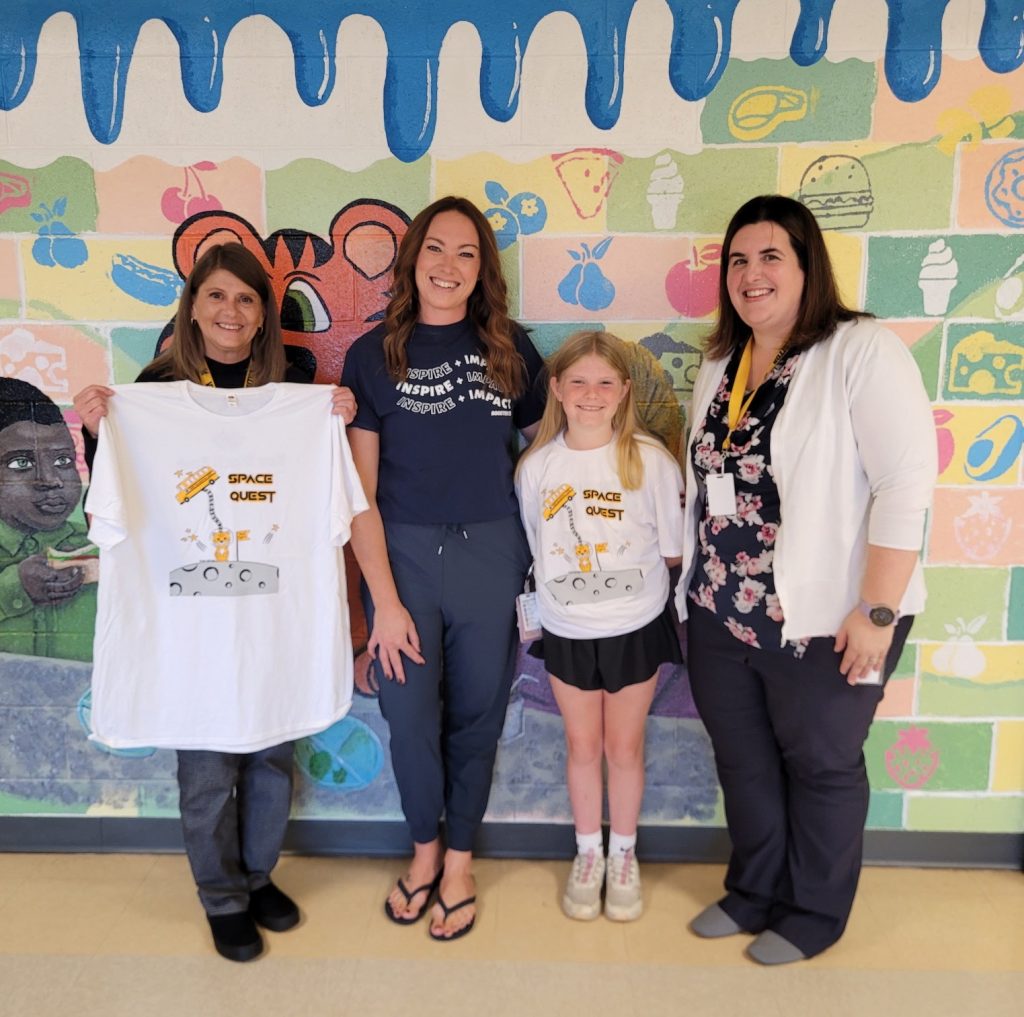
Northwestern Elementary held a Kickoff Pep Rally last Wednesday for their annual Boosterthon fundraising event, where they unveiled the winning t-shirt design, designed by student Sadie M. New Tripoli Bank has been a proud sponsor of this event for the past six years; with Patricia Metzger, New Tripoli Office Branch Manager, and Jenna Smith, Claussville Office Branch Manager, attending this year's pep rally.
Northwestern Elementary PIE always welcome donations; if you would like to contribute, you can do so at this link: https://give.mybooster.com/northwestern-lehigh-elementary-1
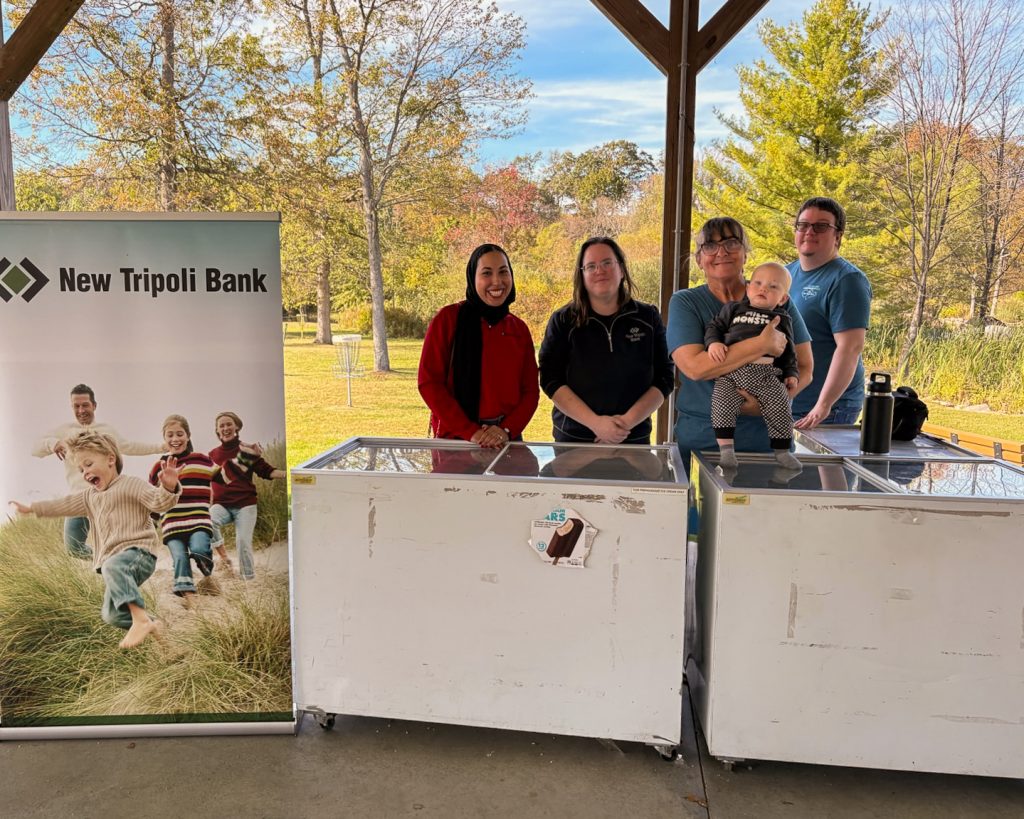
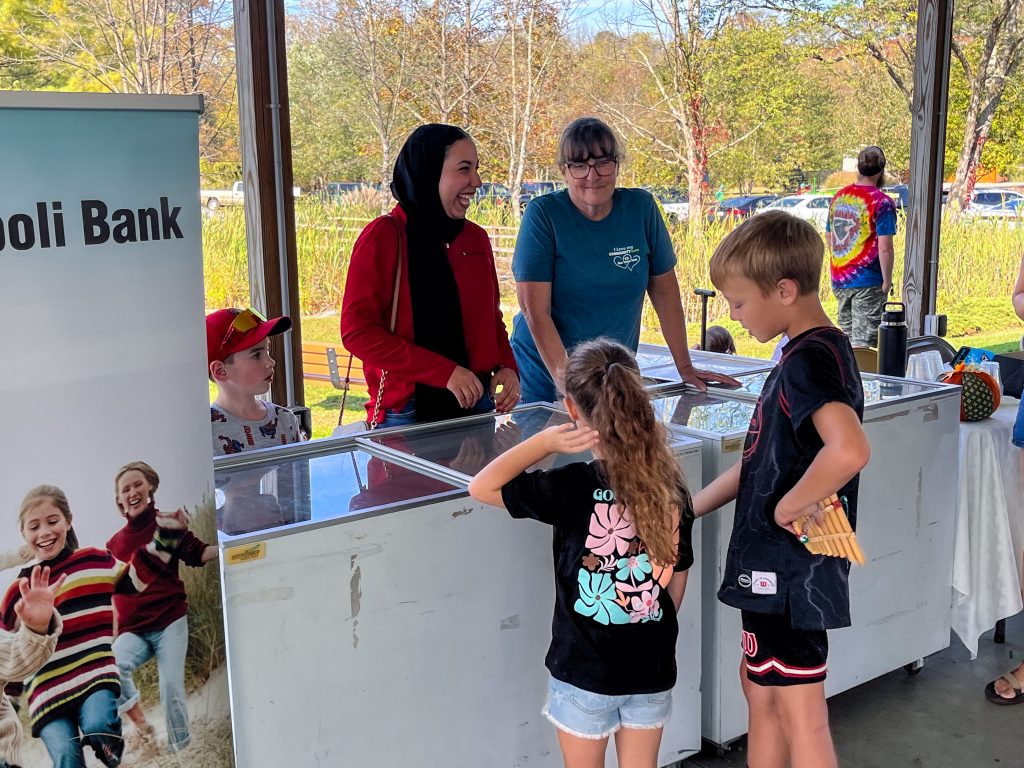
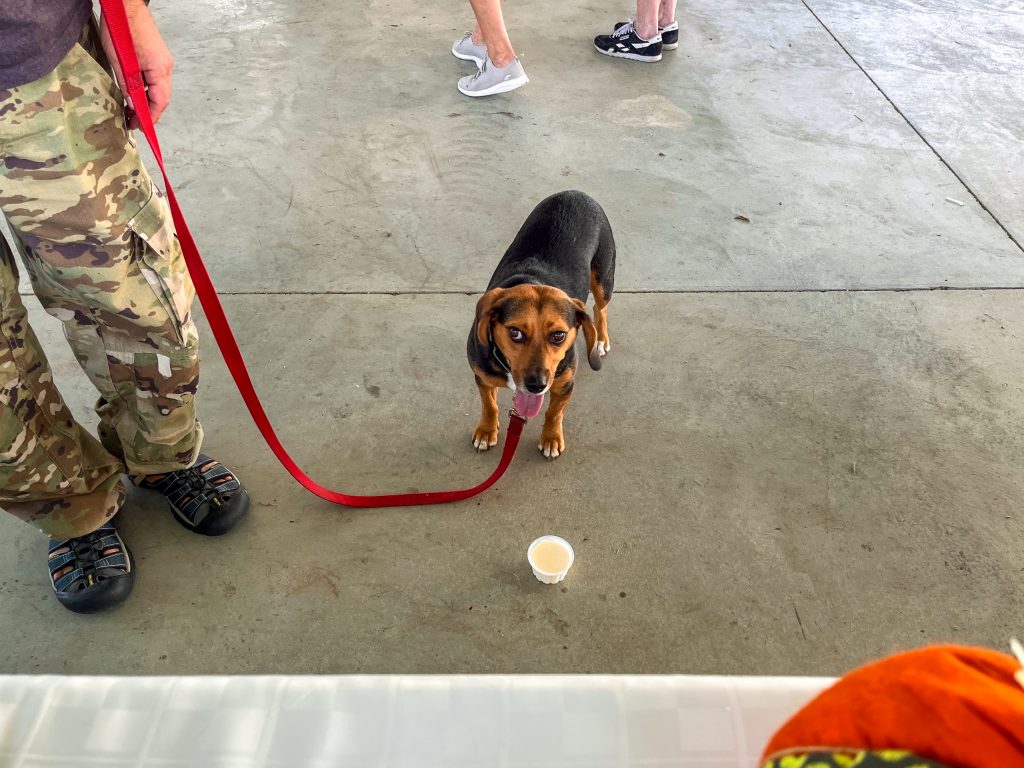
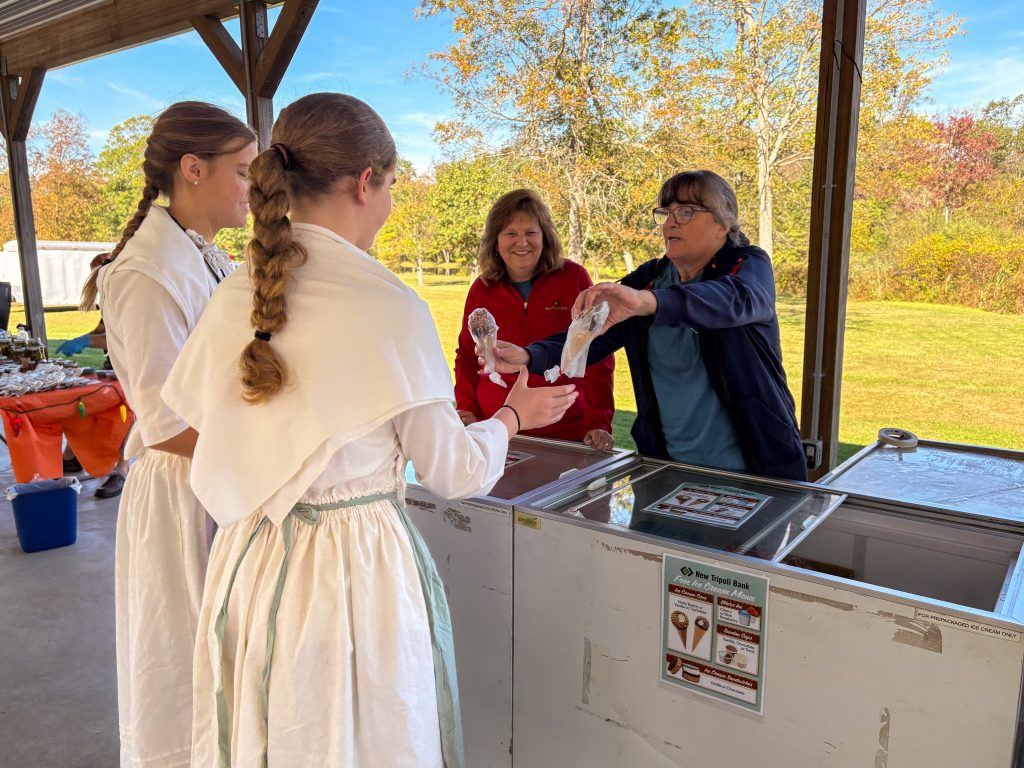
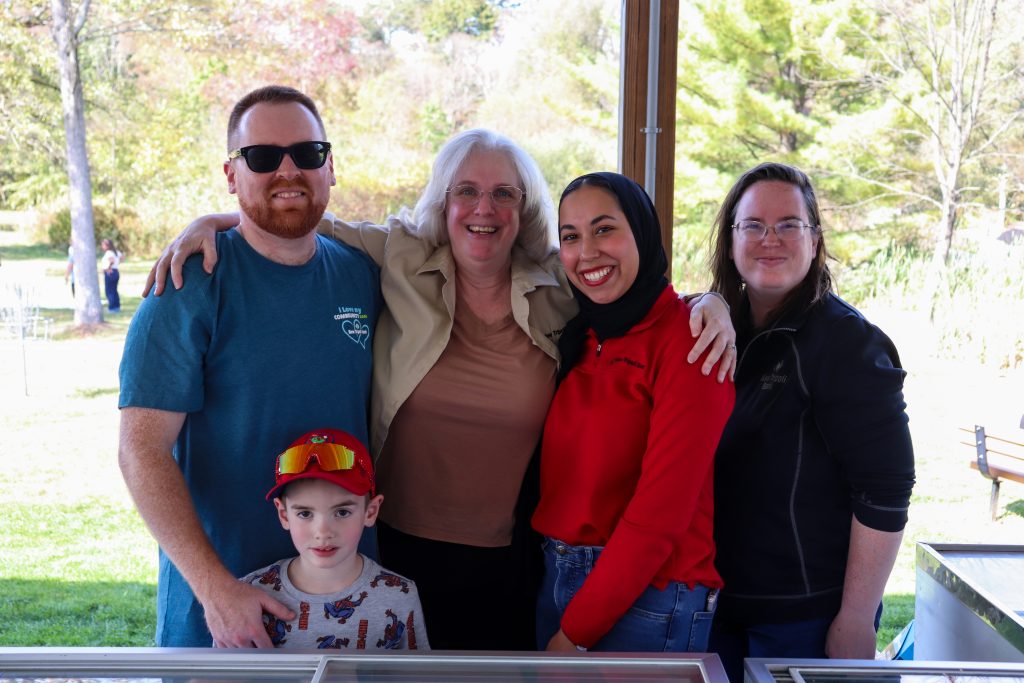
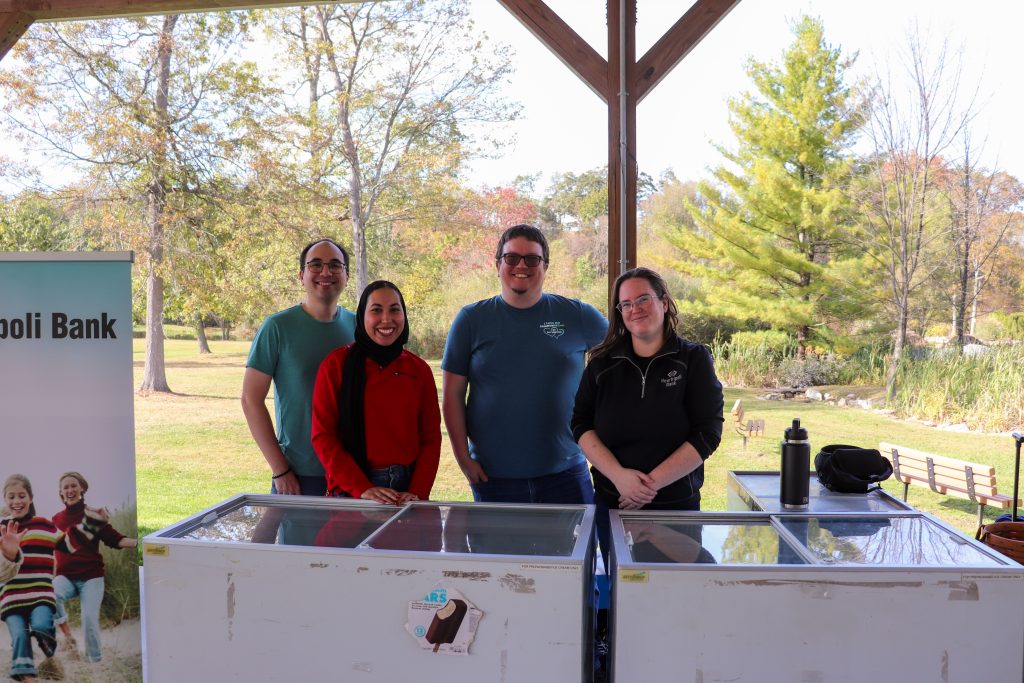
It was a beautiful Saturday this past weekend for the annual Pioneer Apple Festival at Ontelaunee Park in New Tripoli. The balmy weather meant attendees needed a way to cool down, which is why New Tripoli Bank employees were at the festival handing out free ice cream to guests (and their pets!). Even some of our employees' children joined in!
Big thanks to this year's volunteers: Andrea Harris, BSA & Security Officer; Matt Koncz, Controller; Rania Abdelfatah, Sr. Accounting Specialist; Lori Croneberger, Loan Support Specialist; Karen Hantz, Consumer Lender; David Malafarina, Social Media Marketing Specialist; Christine Pierce, Mortgage Lender; also thanks to Rania's husband, Dan, and Matt's son, Theodore, for their help!
Also thank you to one of our Community Bankers, Kelci, who stopped by our stand and let us pose with her son, Oliver!