 Log In


 Log into Online Banking
New Tripoli Bank is always tracking new and novel tactics that fraudsters are using in order to deceive consumers, so we can keep our customers informed and protected. Recently we have heard reports of a new scam which targets recipients of Paycheck Protection Program (PPP) loans, exploiting publicly-available PPP loan data to deceive individuals into revealing sensitive personal and financial information.
These scams often involve the fraudsters impersonating employees of financial institutions or the U.S. Treasury, up to and including spoofing the phone numbers of actual organizations to make it appear as though their calls are coming from a legitimate source. Upon making contact with their target, these scammers request online banking credentials and one-time security codes which they use to access accounts and initiate unauthorized transactions.
How the Scam Works
Common Methods of Contact
- Spoofed phone numbers: The call might appear to come from a legitimate bank phone number.
- Text messages: The fraudsters may contact your personal mobile phone number via text message.
Reasons for Contact
Fraudsters will make up a convincing excuse as to why they are asking for personal information. Regardless of the stated reason that you are being contacted, you should always be suspicious of anyone who asks about bank information or transactions.
Some stated reasons they may use include:
- Issues with a payment or transaction on your account.
- Suspicious account activity or potential fraud.
Asking for Information
If someone calls you and asks for the following information, this is an immediate red flag that you are being targeted by a scam.
- Requests for your online banking credentials or security tokens.
- Asking you to click on a link in order to "update" your digital banking information or to "freeze" a transaction.
Protect Yourself!
You are the first line of defense against frauds and scams, and your strongest weapon is information. Trust your intuition—if you're unsure about the veracity of someone claiming to be from the bank or the U.S. government, you can always hang up and call back at an official number posted on your bank's website or the official website of the government agency. Remember that an employee of the bank or government will already have your account information.
- Don't Trust Caller ID: Phone numbers can be spoofed. You should independently verify the caller's identity and hang up if you encounter anything suspicious.
- Verify Callers: If you receive a suspicious phone call from someone claiming to be from New Tripoli Bank, hang up and call us directly at (888) 298-8821.
- Don't Click Links! Never click on a hyperlink from a sender you do not recognize.
- Don't Share Your Information: Never share personal identifying information, bank account information, login credentials, tokens, or passwords.
- Educate Others: You are most likely not the only person being targeted by scammers. If you know others who may be targeted, share this information with them so they can avoid being scammed as well.
- Report Suspicious Activity: If you are the target of a scam attempt, contact our security team at (610) 421-4001 or visit our Contact Us page.
We Want to Help!
If you have any concerns or believe you may have been targeted by a scam, please contact your local New Tripoli Bank branch office, loan officer, and our security team immediately. Even if you are unsure, we prefer that you take extra precautions rather than fall victim to fraud. Your personal and financial security is our top priority.
 Tax season is here! While that might not be the most exciting news for the average person, it’s important to keep the following in mind so that filing your tax return is a smoother and less tedious process. You may also be able to save a little time and money in the process!
Save the Date
First of all, a quick reminder that your tax returns are due April 15th. If you think you need more time and want to avoid a failure-to-file penalty, you will need to fill out IRS Form 4868 (Application for Automatic Extension of Time to File U.S. Individual Income Tax Return) by April 15th. Remember that this does not typically give you an extension on paying your taxes, as your estimated tax liability payment is still due by April 15th!
Direct Deposit Is Your Friend
If you think you may be entitled to receive a refund, you should consider setting up direct deposit. Electronically filing your taxes and choosing direct deposit is the fastest way to get your refund. When utilizing direct deposit, the IRS issues over 90% of refunds in less than 21 days of filing. Refunds from paper filings can take up to 6 to 8 weeks from the date the IRS receives your return.
Direct deposit also provides improved security by avoiding the mail, which can leave your refund susceptible to mail fraud.
If you don’t have a bank account, you should consider opening a no-cost personal checking account in order to set up direct deposit when you file. New Tripoli Bank’s personal checking account has no minimum balance requirement to open and no monthly maintenance fees. Setting up a new account can be done easily online or at one of our local branches. Please let us know how we can best help you.
Check for Free Options to File
Certain individuals are eligible to have their basic tax returns prepared and filed for free, allowing them to save time and money. Available options to consider include the AARP Foundation Tax-Aide, the IRS’s Tax Counseling for the Elderly (TCE) programs, and the IRS’ Volunteer Income Tax Assistance (VITA) program, which connect consumers with IRS-certified tax preparers.
Also, if your adjusted gross income is $89,000 or less, you are eligible to prepare and file your income tax returns for free online through the IRS Free File portal.
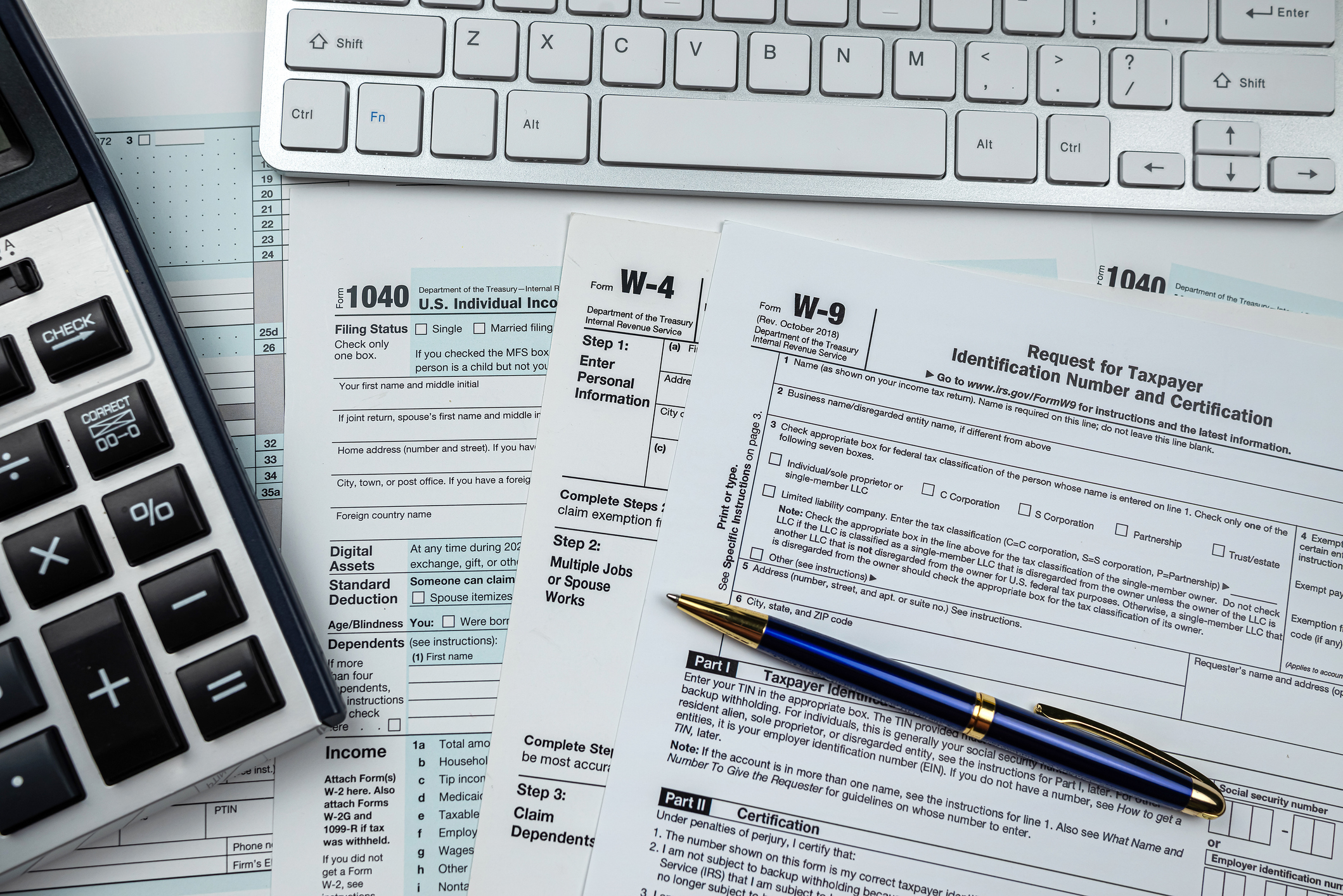
Active-duty service members, retired and honorably discharged veterans, family members managing the affairs of eligible service members, and survivors of deceased service members can prepare and file their tax returns for free through MilTax.
Guard Against Fraud
Tax season is a prime time for scammers looking to prey upon the confusion of tax filers. Remember that the IRS will never initiate contact with taxpayers via email, text messages, or social media channels to request personal and financial information.
If you plan to pay a tax preparer to help file your taxes, make sure to check the preparer’s qualifications before handing over any personal or financial information. You can use the IRS directory of federal tax return preparers to check their credentials and verify their information with the Better Business Bureau. Be wary of a preparer that makes guarantees about getting larger refunds, asks you to pay with cryptocurrency or even gift cards; these could be signs of a scam.
Conclusion
You should consult a tax professional for any questions you may have. Depending on your individual situation, their guidance can be instrumental in having your return filed accurately as well as getting you the maximum refund you are entitled to. There are many free options available and I hope that the tips laid out in this article will help you have a less stressful tax season this year!
 Matthew Koncz is New Tripoli Bank's Controller and an Assistant Vice President. He has been with the Bank for over seven years and is responsible for monitoring New Tripoli Bank's financial health. He is also a Certified Public Accountant and has completed educational programs for CPAs offered by various accounting firms and organizations including PA Bankers.
New Tripoli Bank has donated $11,000 to Cetronia Ambulance Corps, a 501(c)(3) organization which provides emergency medical services (EMS) to Lehigh County residents and non-emergency medical services to surrounding counties. This donation is part of New Tripoli Bank’s continuing support for the Corps’ mission to provide EMS, transportation, education, and health and safety resources to the communities we share.
New Tripoli Bank President and CEO John M. Hayes commented, “Our communities are experiencing more issues of affordability, which is why it’s more important than ever to fund organizations like Cetronia Ambulance Corps to help Lehigh Valley residents access emergency services.”
Cetronia Ambulance Corps is one of the largest providers of ambulance services in Eastern Pennsylvania, employing 210 professionally trained and dedicated employees and volunteers from the community. As the regional leader in EMS, Cetronia Ambulance Corps boasts a fleet of 47 vehicles and fields over 47,000 calls annually, covering an emergency service area that spans across 130 square miles, and a non-emergency coverage area that encompasses five counties. They also provide emergency response training and education programs for groups, businesses, and individuals.
"We are honored to be able to serve in a community with so many great partners including New Tripoli Bank,” said Robert Mateff, Sr., Cetronia Ambulance Corps CEO, “Our lifesaving mission would not be possible without the support we receive. We are grateful for their generosity and commitment to the first responders in the region."
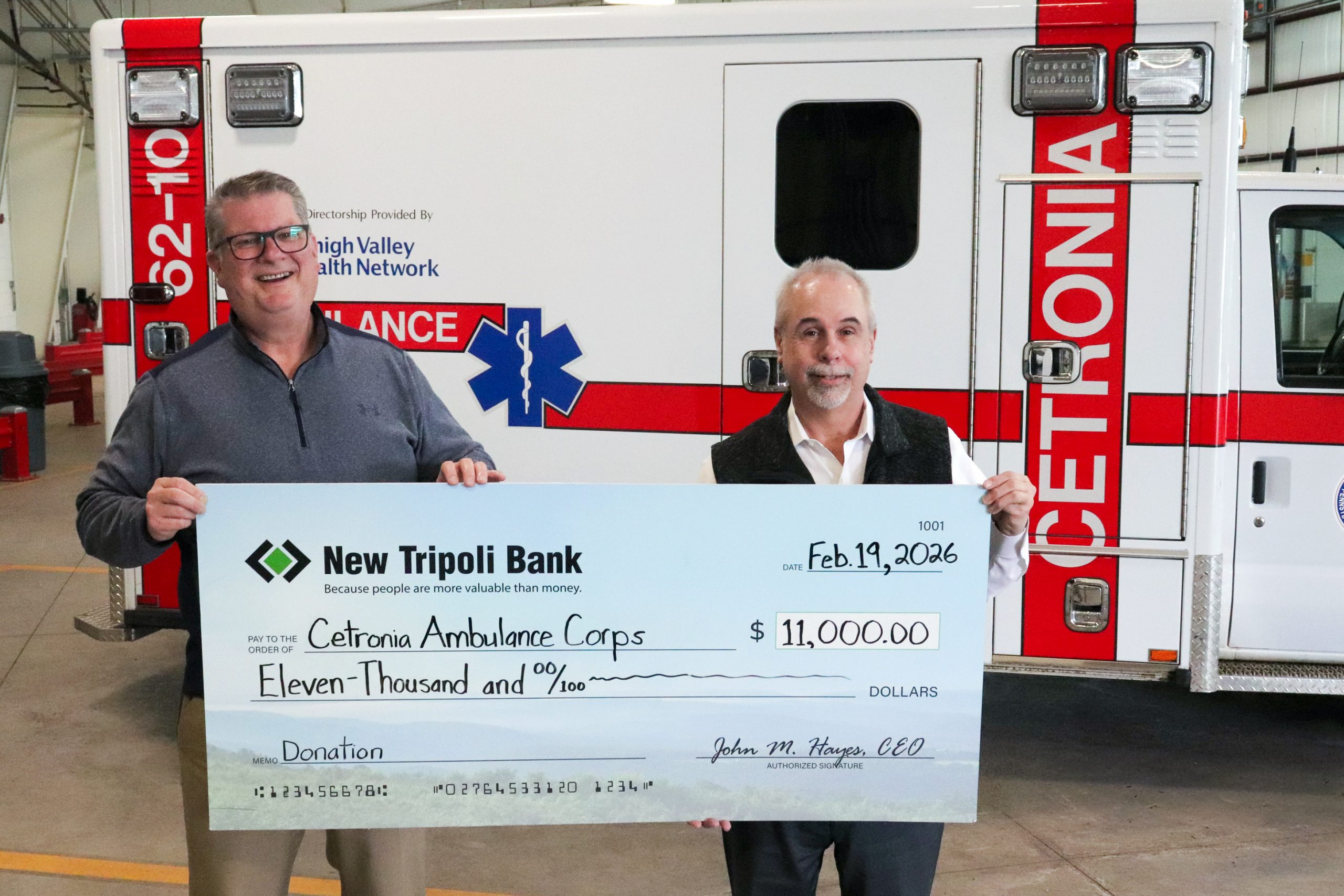
On Wednesday, February 11th, employees from New Tripoli Bank headed to Emmaus High School for a workshop with the Future Business Leaders of America Club. Presenters included Karen Hantz, Consumer Lender, Christine Pierce, Mortgage Loan Officer, and Michelle Vineburg, Vice President/Compliance Officer. Our employees discussed topics relevant to the students' professional development including career paths, job interviews, paychecks, and avoiding scams and fraud. Students were encouraged to participate in open discussion and ask questions from professionals who have years of experience in the workforce.
We want to thank all the members of the FBLA who joined us for this workshop, especially students Diya and Jeanne who had reached out to the Bank to set up the workshop and teacher Geoffrey Laird for helping facilitate the event. We look forward to meeting with them again for another workshop in the future and expect great things from them in their future careers!

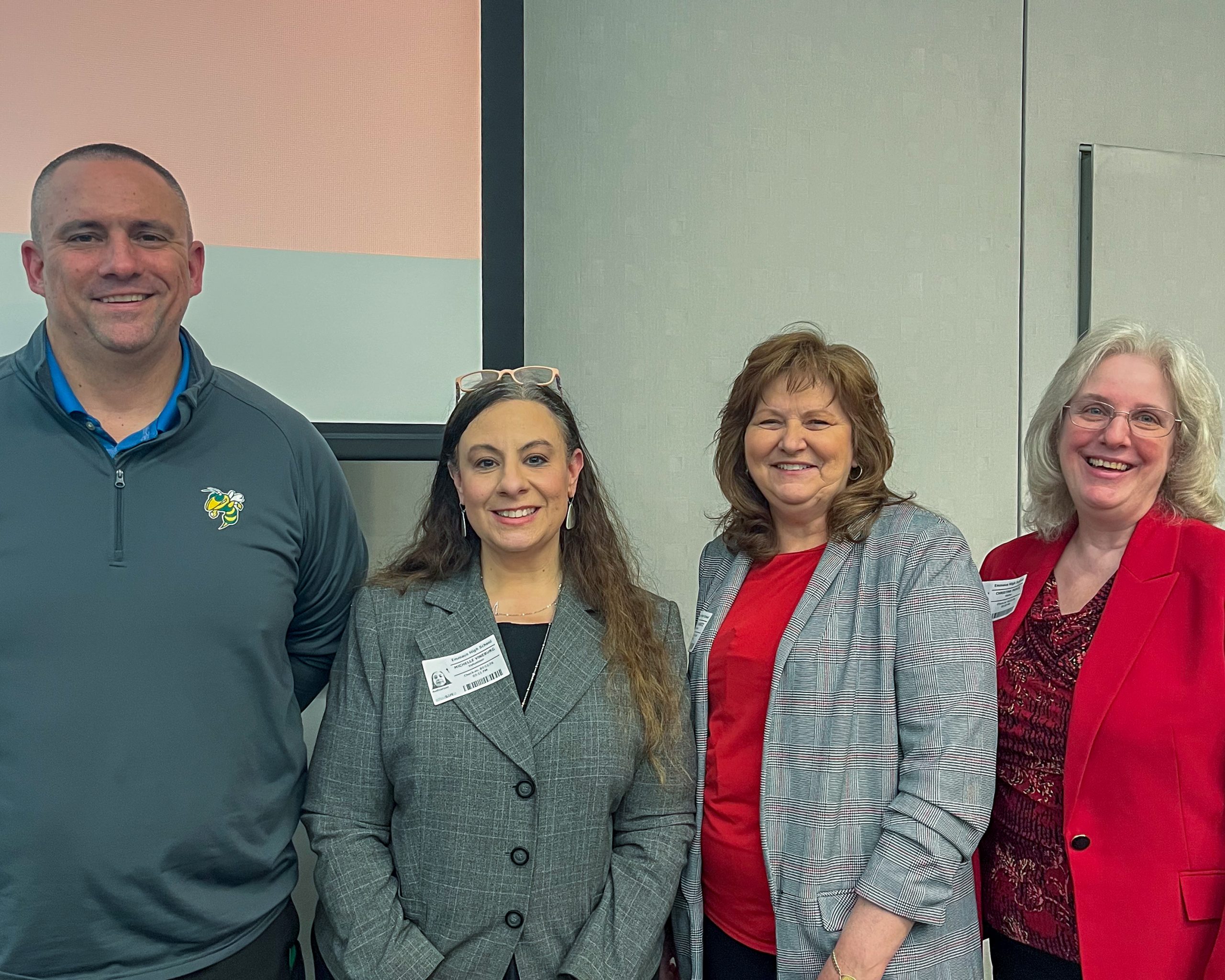
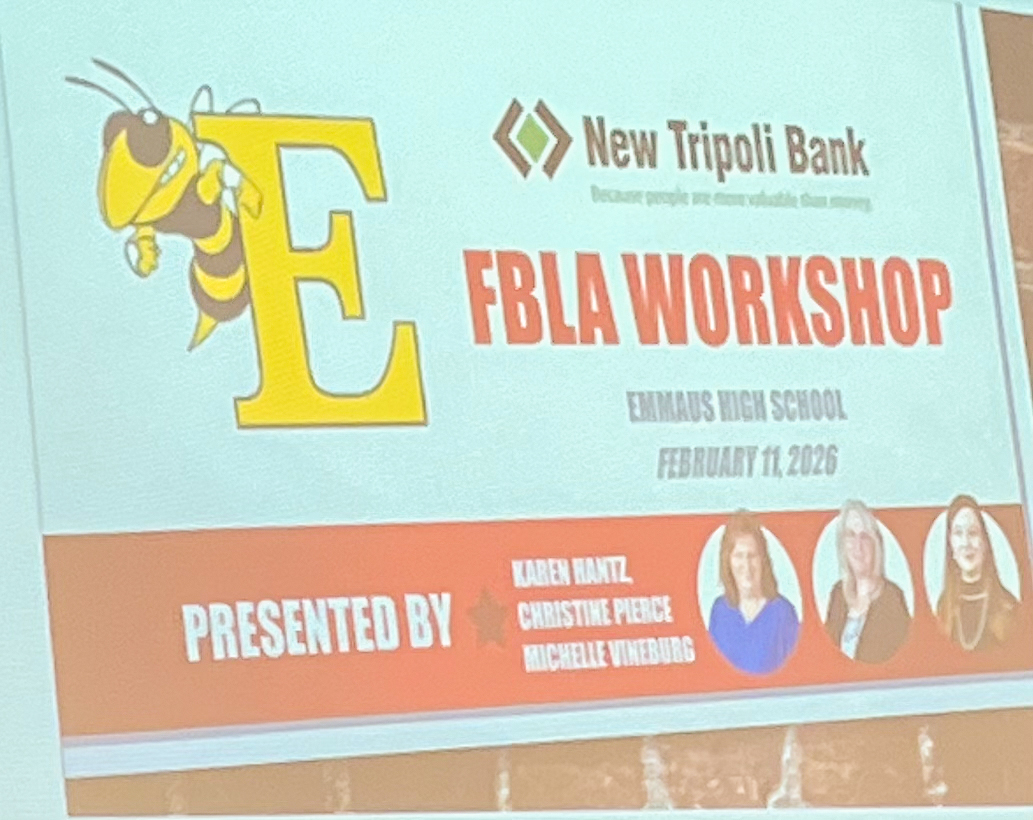
New Tripoli Bank’s Board of Directors has approved the promotion of Jennifer Moyer to Vice President of Deposit Operations and Christine Pierce to Officer/Mortgage Lender.
“Jen and Christine are both tremendous assets to the Bank, our employees, our customers, and our shareholders,” said John M. Hayes, President and CEO of New Tripoli Bank. “These well-earned and rightly deserved promotions reflect all of the contributions these two employees have made over the years.”
Jen Moyer joined New Tripoli Bank in 2004 as a Teller, holding many additional roles over the years including Assistant Head Teller, Data Operations Specialist, and IT Specialist. Jen was promoted to Assistant Vice President in 2019 and became the Bank’s Deposit Operations Manager in 2022.
Christine Pierce was hired by New Tripoli Bank in 2021 as a Universal Teller. In 2022, she moved to the Loan Department as a Mortgage Lender handling residential mortgage and consumer loans at the Bank’s Buckeye Office.


When hiring an individual or firm to prepare a tax return, you need to understand who you're choosing and what important questions to ask. Even though most tax return preparers provide honest, quality service, some may cause harm through fraud, identity theft and other scams.
Your needs determine which kind of preparer is best for you. Whether you regularly use a tax professional to help you file a tax return or have decided to work with one for the first time, choosing a tax professional carefully is important. You are ultimately responsible for all the information on your income tax return, regardless of who prepares it.
Warning signs
By law, anyone who is paid to prepare or assists in preparing federal tax returns must have a valid Preparer Tax Identification Number. Paid preparers must sign and include their PTIN on any tax return they prepare.
Not signing a return is a red flag that the paid preparer may be looking to make a quick profit by promising a big refund or charging fees based on the size of the refund. Taxpayers should avoid these unethical "ghost" tax return preparers.
A ghost preparer is someone who doesn't sign tax returns they prepare. Unscrupulous ghost preparers often print the return and have the taxpayer sign and mail it to the IRS. For electronically filed returns, a ghost preparer will prepare the tax return but refuse to digitally sign it as the paid preparer.
Tips for selecting a tax return preparer
Here are a few tips to consider when choosing a tax return preparer:
- Look for a preparer who's available year-round. If questions come up about a tax return, you may need to contact the preparer after the filing season is over.
- Review the preparer's history. Check the Better Business Bureau website for information about the preparer. Look for disciplinary actions and the license status for credentialed preparers. For CPAs, check the State Board of Accountancy's website, and for attorneys check with the State Bar Association. For enrolled agents go to Verify the Status of an Enrolled Agent or check the IRS Directory of Federal Tax Return Preparers.
- Ask about service fees. You should avoid tax return preparers who base their fees on a percentage of the refund or who offer to deposit all or part of the refund into their own financial accounts. Be wary of tax return preparers who claim they can get larger refunds than their competitors.
- Ensure their preparer offers IRS e-file. The IRS issues most refunds in fewer than 21 days for taxpayers who file electronically and choose direct deposit.
- Provide records and receipts. Good preparers ask to see these documents. They'll also ask questions to determine your total income, deductions, tax credits and other items. Do not hire a preparer who e-files a tax return using a pay stub instead of a Form W-2. This is against IRS e-file rules.
- Understand the preparer's credentials and qualifications. Attorneys, CPAs and enrolled agents can represent any client before the IRS in any situation. Annual Filing Season Program participants may represent taxpayers in limited situations if they prepared and signed the tax return.
- Never sign a blank or incomplete return. Taxpayers are responsible for filing a complete and correct tax return.
- Review the tax return before signing it. Be sure to ask questions if something is not clear or appears inaccurate. Any refund should go directly to you – not into the preparer's bank account. Review the routing and bank account number on the completed return and make sure it's accurate.
You can report preparer misconduct to the IRS using Form 14157, Complaint: Tax Return Preparer PDF. If you suspect a tax return preparer filed or changed your tax return without your consent, you should file Form 14157-A, Tax Return Preparer Fraud or Misconduct Affidavit PDF.
When choosing a tax professional, the IRS urges taxpayers to visit IRS.gov. The Choosing a Tax Professional page has information about tax return preparer credentials and qualifications. The IRS Directory of Federal Tax Return Preparers with Credentials and Select Qualifications can help identify many preparers by type of credential or qualification.
This information was provided by the Internal Revenue Service.
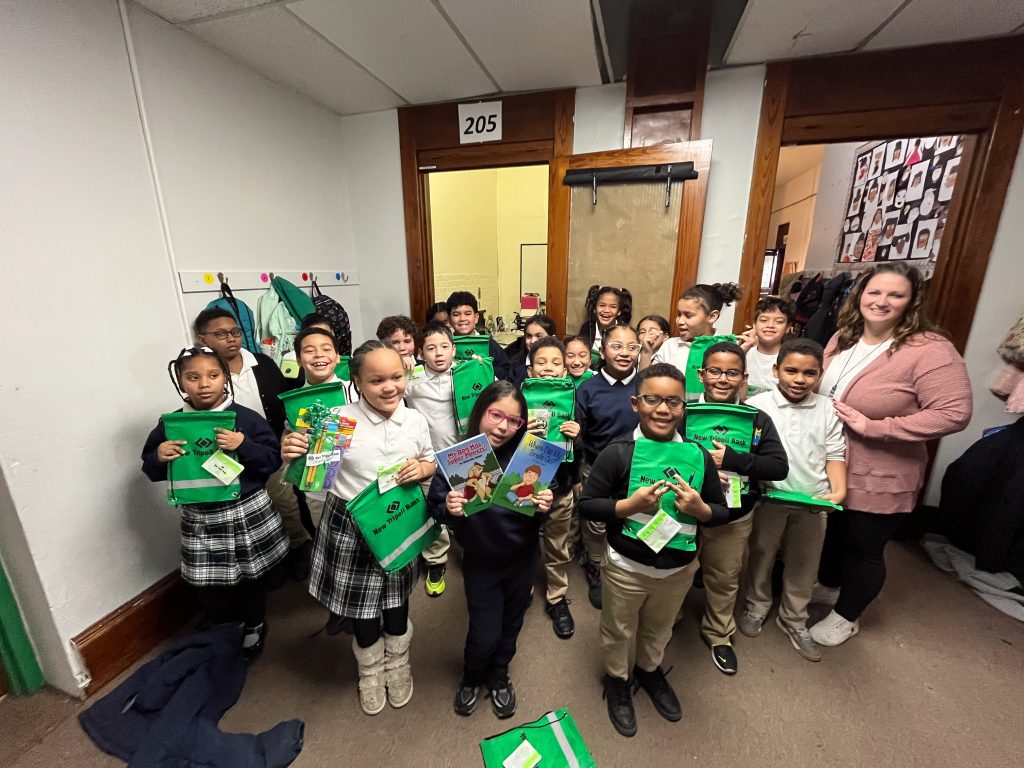
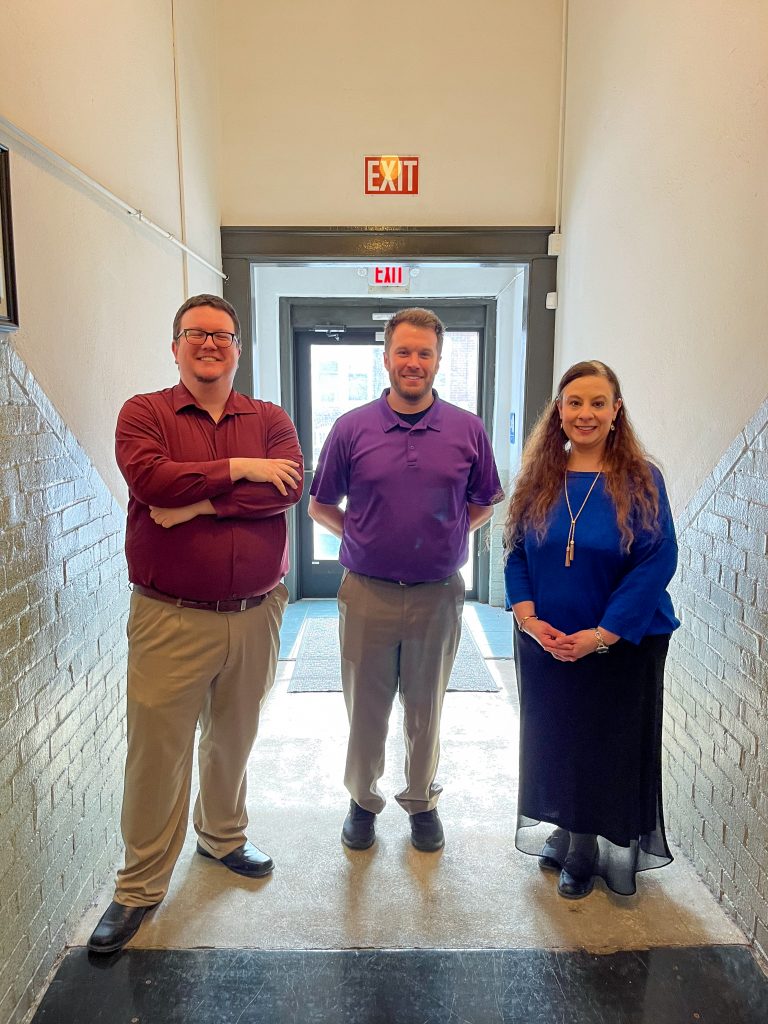
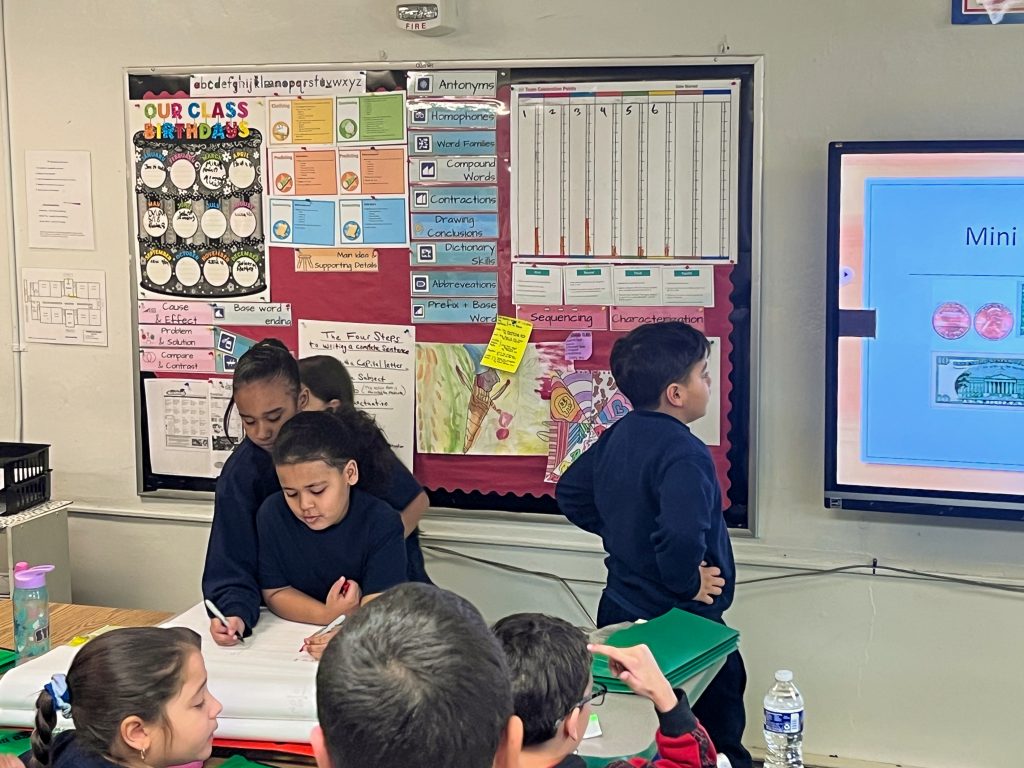
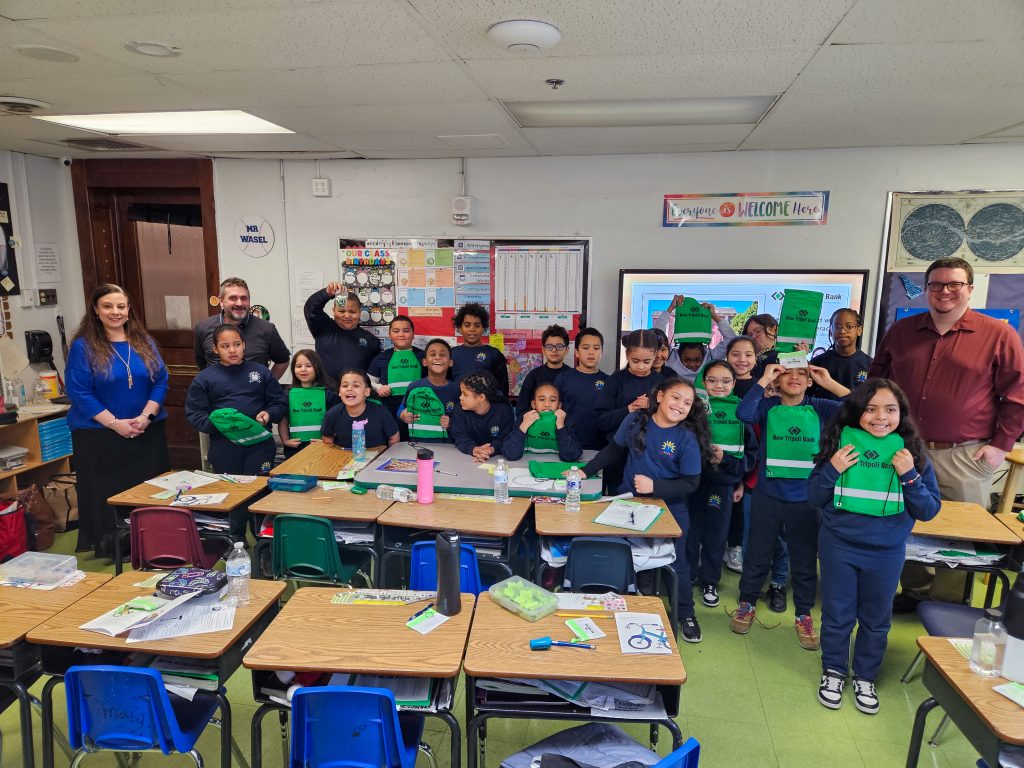
New Tripoli Bank returned to Roberto Clemente Charter School in January for another round of financial literacy presentations for their 3rd grade classes. Michelle Vineburg, VP-Compliance Officer, and David Malafarina, Social Media/Marketing Specialist, presented on topics including the basics of personal finance, the importance of saving money, and avoiding scammers. Students participated in activities to test their knowledge and joined in reading a book about saving in order to learn more about the topics discussed.
In addition to other learning tools/resources the Bank provides, we were pleased to include copies of two children's books authored by one of our other employees, Michelle Jones, for their classroom library. We would like to thank Cory Snyder, Elementary Principal, for inviting us, as well as teachers Joel A. Wasel, Caitlin Makoul, and counselor Lauren Zielinski for helping to facilitate our community outreach interactions with the students. We remain committed to providing financial education to students of all ages and thank Roberto Clemente Charter School for inviting us to come speak to their students.




by Kayla Schnellman
Do you believe in reinvesting in your community, but are struggling with how to put that into action? One surefire way is to do business with a community bank. Who you choose to bank with matters just as much as which stores you choose to shop at.

Community Banks Strengthen the Local Economy
If you’ve ever wondered if it matters where you deposit your hard-earned money, let me assure you it does. Not only does banking locally support small businesses (community banks fund nearly 60% of small business loans and more than 80% of agricultural loans), but as locally owned and operated businesses themselves, they are part of the economic engines that have powered 63% of net jobs created since 1995.
Community banks like New Tripoli Bank use your deposits to distribute loans that feed into a self-sustaining micro-economy that keeps funds in the Lehigh Valley. Moreover, community banks reinvest your dollars into the community through donations and sponsorships for local organizations and nonprofits. It is all part of a symbiotic relationship that community banks have with their communities. And the proceeds from those businesses create jobs, fund municipalities, and continue the cycle of locally based economic growth.
Consider the community bank impact on local communities:
- Community banks’ net satisfaction score topped large banks by 13 points, finance companies by 25 points, and online lenders by 60 points.
- 70% of community bank loan applicants were satisfied with their experience, compared with 59% at large banks, 50% at finance companies, and 28% at online lenders.
- Community banks operate in areas abandoned by others—serving as the only physical banking presence in nearly one in five U.S. counties.
 Community Banks Offer Personalized Service
The choice to do business with a community bank is not just about the broader economy. When customers contact New Tripoli Bank, they are greeted by a talented team member who is attuned to their respective needs.
Community banks like New Tripoli Bank believe in building strong, long-term relationships with our customers through reliability, flexibility and goodwill. Because community banks serve a smaller geographic area than national banks, they are able to provide more flexible lending options for consumers and businesses, often assessing the broader picture of a person or organization’s financial situation, rather than just basing decisions off automated information, like credit scores.
Further, community banks also put a greater emphasis on maintaining long-standing relationships with their core depositors. While larger financial institutions seem to constantly change their service offerings in reaction to market trends, community banks focus on stability and reliability, which allows for them to plan for the future confidently. Making strategic decisions regarding lending and expansion is a component of that focus. This is one of the main reasons New Tripoli Bank has remained independent for 116 years.
Conclusion
We want to thank our customers for putting their trust in us for their banking needs. At New Tripoli Bank we pledge to never lose sight of the all-important relationships we hold and the personalized service our customers expect. Community banks are only successful if our customers and communities are, too. That’s why community banks and our relationship-based business model have thrived for over a century.
We know what it takes to create successful local economies. Join us in helping to build a vibrant economy here at home, in our community. We look forward to serving you soon.
 Kayla Schnellman is the Client Services Lead for our New Tripoli Office. She has worked for New Tripoli Bank for over seven years, where she has worked as Community Banker, Customer Service Representative, and Head Teller. When she's not working, she enjoys spending time with friends and with her three dogs.
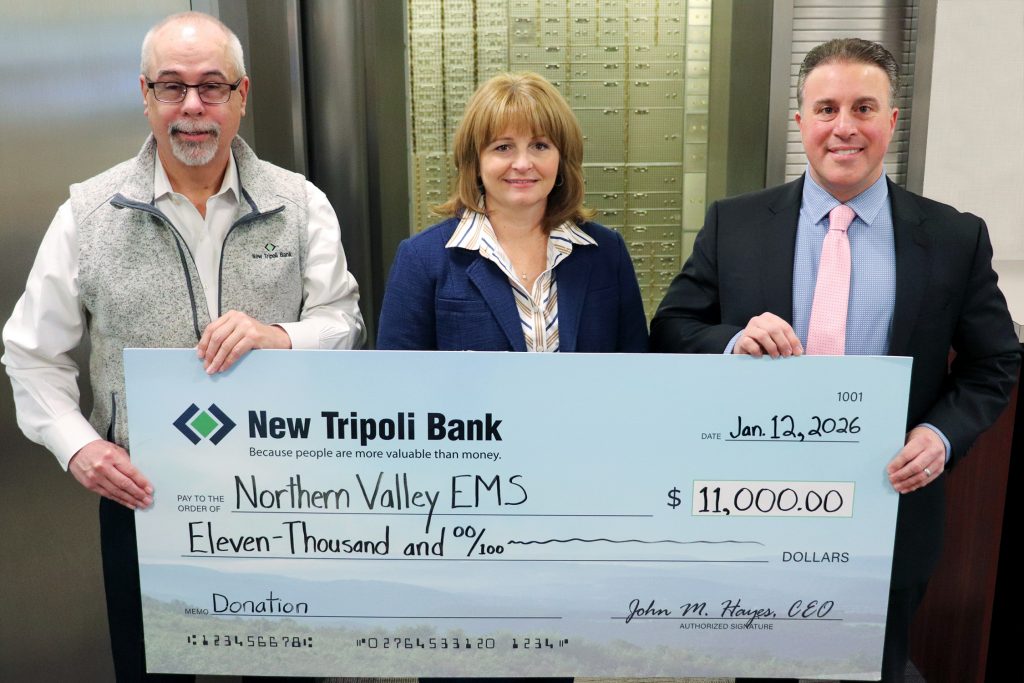
New Tripoli Bank donated $11,000 to the Northern Valley EMS, Inc. (NOVA) in recognition of the important role the organization serves in protecting the health and safety of the communities they serve. John M. Hayes, New Tripoli Bank President and CEO, presented a check to Jason J. Breidinger, NOVA Public Relations Co-Chair, and Kristie Wentling, NOVA Executive Director, at the Bank’s New Tripoli office on Monday.
“NOVA plays a critical role in the safety of our community, and our donation shows the Bank’s faith in the service their employees and volunteers provide,” said Hayes. The Bank has shown its support for NOVA for many years through annual donations to their organization.
NOVA provides non-profit emergency medical services to North Whitehall, Washington, Heidelberg, and a portion of Lowhill Townships and the Boroughs of Slatington and Walnutport, serving more than 45,000 residents of the Lehigh Valley. They operate year-round, 24-hour ambulance services as well as providing emergency response training and education programs to volunteers in the community.
Payment cards are exceptionally convenient for consumers, and they come in various types –ATM, credit, debit, EBT – that enable low-friction banking and shopping. You probably use more than one. But you may not be aware of the various scams and tools fraudsters use to steal your payment information at the terminal and convert it into a substantial payday. It only takes seconds to install a scam device, and they can be anywhere. Fortunately, it takes even less time to protect your ATM and payment card.
Scam Devices
Scam devices have been found on ATMs, Point of Sale (POS) terminals, gasoline pumps – everywhere people use a card to pay. These devices capture personal data and PINs via video, digital download, or wireless transmission to the scammer. For example:
- Pinhole cameras are installed to record PIN entries and are so small they’re hard to detect. Note that pinhole cameras may be placed anywhere on or near the machine.
- Skimmers installed in the terminal or over its reader steal credit/debit card data from the magnetic stripe or chip.
- Keylogging keypads are overlays that cover the real keyboard, used to record a customer’s keystrokes. If the criminal knows what you type, they know your PIN.
Protecting Your Payment Card
- Inspect ATMs, POS terminals, and other card readers for loose, crooked, damaged, or scratched parts. If you notice something suspicious, use a different terminal.
- Check for keylogging overlays by lifting the edge of the keypad – a gentle tug is all it takes.
- Prevent cameras from recording your PIN by shielding your entry with your hand. Keep in mind that a pinhole camera may be present anywhere on or around the terminal.
- If possible, use ATMs in well-lit, high-traffic locations. Machines are less vulnerable in places where someone might notice a threat actor tampering with them.
- Be especially alert for skimming devices in tourist areas, where card readers are used a lot.
- When possible, use debit and credit cards with chip technology rather than magnetic stripes, which are more vulnerable to theft.
- Avoid using your debit cards for multiple accounts – the compromise of one card gives criminals access to all the accounts. Use a credit card instead.
- Routinely monitor your card accounts to promptly identify any unauthorized transactions. If possible, set up email or text-message alerts to notify you of account transactions.
- Proactively review the account security options. You may be able to set up multifactor authentication or freeze an account between transactions. Such steps may seem inconvenient, but they significantly reduce the risk of financial losses.
- Never give your PIN in response to a call, text, or email. Organizations that have your information would not request your PIN. They use other means to authenticate your account. If you receive a request, look up the source’s website and contact them to check your account.
- Always use a strong PIN. Avoid using PINs that may be easily guessed, such as strings of the same or consecutive numbers (e.g., 11111 or 1234).
- Find out if your account will allow you to temporarily block or freeze transactions on the account.
Tips for Paying at the Pump
- Choose the fuel pump closest to the store and in direct view of the attendant. These pumps are less likely to be targets for skimmers.
- Run your debit card as a credit card. If that’s not an option, cover the keypad when you enter your PIN. You should also examine the keypad before use for any inconsistencies in coloring, material, or shape. These inconsistencies might suggest that a foreign device (keypad overlay) is present.
- Consider paying inside with the attendant, not outside at the pump.
- Tap the card instead of swiping or inserting it when paying at the pump (if the card and terminal allow for it). Tap-to-pay transactions are more secure and less susceptible to compromise.
What to do if You Are Scammed
- Contact your financial institution immediately if the ATM doesn't return your card after you finish or cancel a transaction. It may indicate a foreign device is in the card reader.
- If you suspect your card was compromised, immediately contact your state benefits agency or card issuer. Promptly change your PIN if any funds remain in your account.
If You’re a Victim?
Immediately change any passwords you might have revealed. Consider reporting the attack to IC3.gov and the police.
Next Page »« Previous Page